How Virtual Fencing Helps Protect Livestock from Parasites
Parasites are one of the most persistent threats to grazing livestock. Monil helps farmers manage risk and keep their animals healthy.
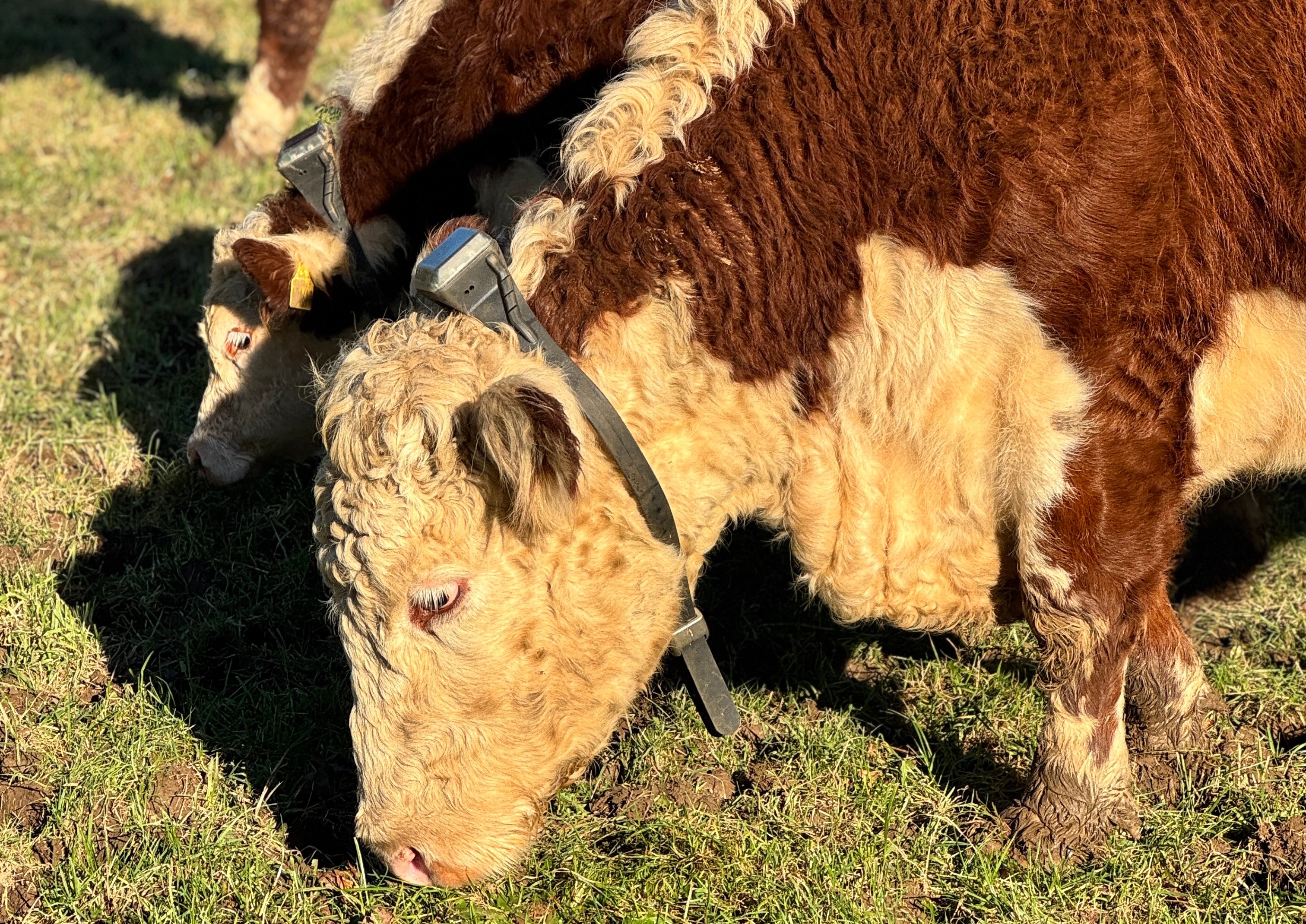
Pasture parasites, such as liver fluke, lungworm, and gut worms, remain a costly challenge for livestock farmers.
They affect the productivity by reducing feed efficiency, fertility, and immune function, which in turn means slower growth, reduced milk yields, fewer calves, and lighter carcasses.
On top of this, parasites often open the door to other diseases, increasing the impact. The unpredictable nature of infection risk makes management decisions even harder for farmers.
"The most persistent threat to grazing"
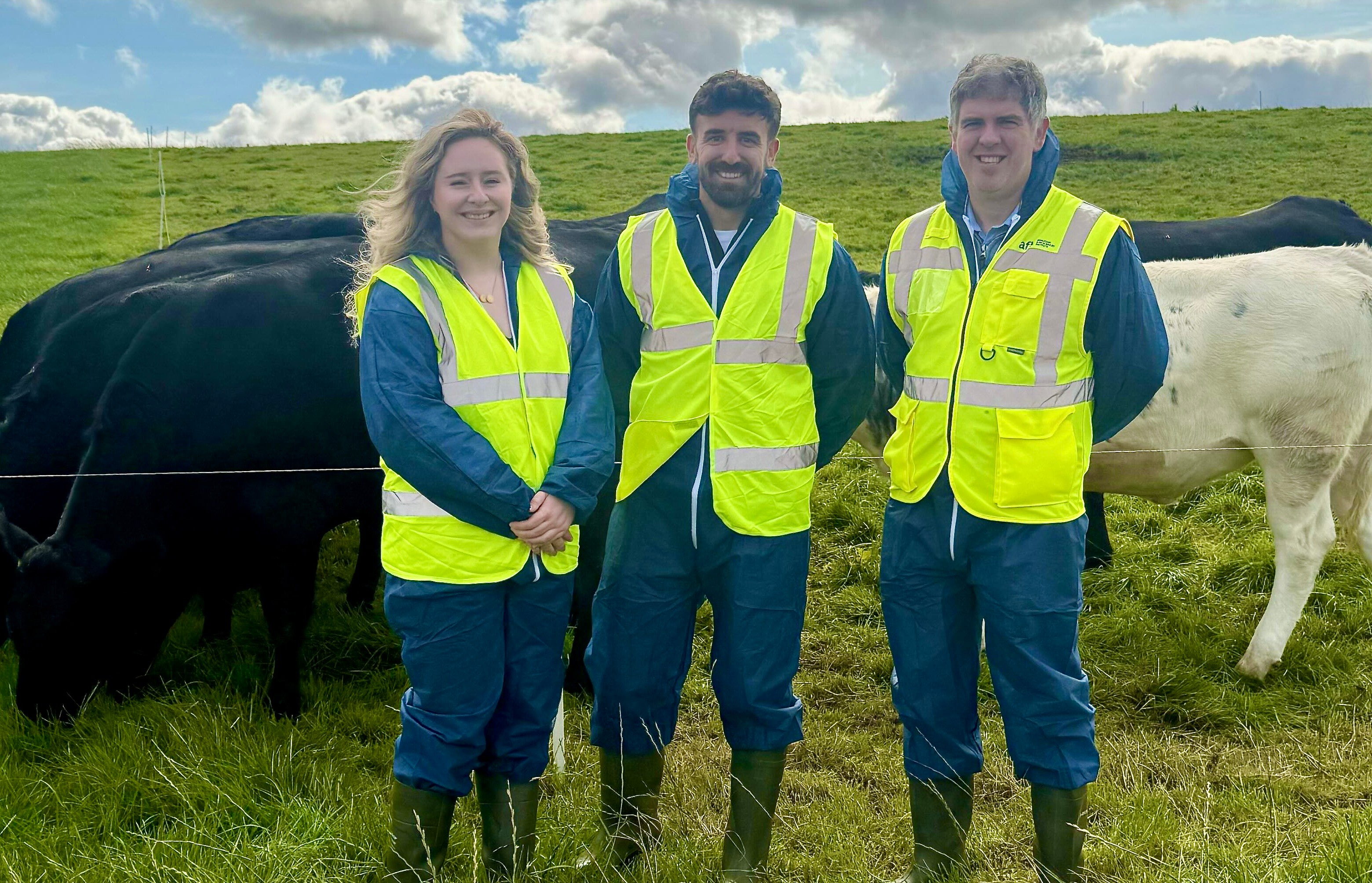
To learn more about the scale of the problem and possible solutions, we spoke with Rob Kelly, Lecturer in Veterinary Parasitology at the Royal (Dick) School of Veterinary Studies.
He explained that pasture parasites are among the most persistent threats to grazing livestock, undermining both animal health and farm profitability.
Liver Fluke: A Closer Look
Among these parasites, liver fluke stands out as particularly damaging.
What makes it different is its reliance on an intermediate host, the mud snail (Galba truncatula).
These snails thrive in wet areas such as riverbanks, ditches, waterlogged fields, and drainage channels. Habitats that are hard to avoid on many grazing farms.
The High Cost of Liver Fluke
In addition, the economic toll is immense. Liver fluke costs UK agriculture an estimated £300 million annually.
The parasite causes severe liver damage in cattle, leading to weight loss, anemia and scarring, usually only detected at slaughter. Sheep are also highly vulnerable, making fluke a cross-species challenge.
Current management relies on flukicides, but these bring added costs, withdrawal periods and the growing threat of resistance. Diagnosis is usually based on faecal egg counts or antibody tests in blood or milk, but these methods often lag behind real-time infection.
As Rob highlighted, targeted testing is critical. Blanket treatments can lead to both under-use and over-use of drugs, compromising sustainability.
Mapping Risk and Avoiding “Flukey” Areas
High-risk zones for liver fluke can be mapped with reasonable accuracy (see example from Hybu Cig Cymru).
In theory, excluding these snail habitats from grazing reduces exposure. However, in practice the challenge is bigger.
Snail populations shift with rainfall, expanding and contracting over the season, and individuals can move up to 30 metres. Permanent pastures also carry higher risks, while rotational grazing reduces build-up.
Traditional fencing has been used to block livestock from known danger zones, but as Rob pointed out, it is rarely flexible enough.
Farmers are often forced to sacrifice entire fields or alter long-standing grazing rotations. Costly compromises when margins are already tight.
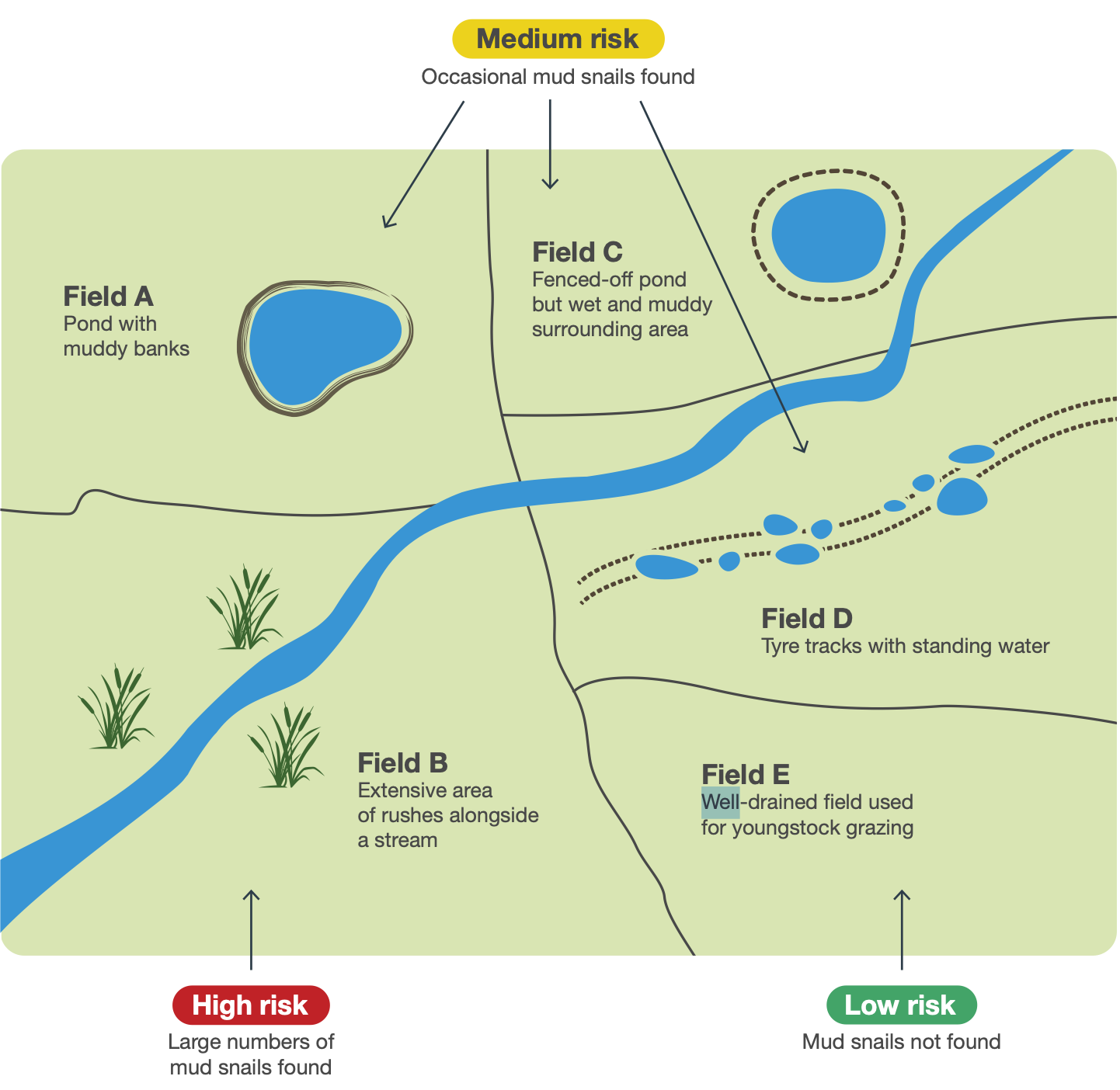
Illustration: Hybu Cig Cymru
That’s Where Virtual Fencing Comes In
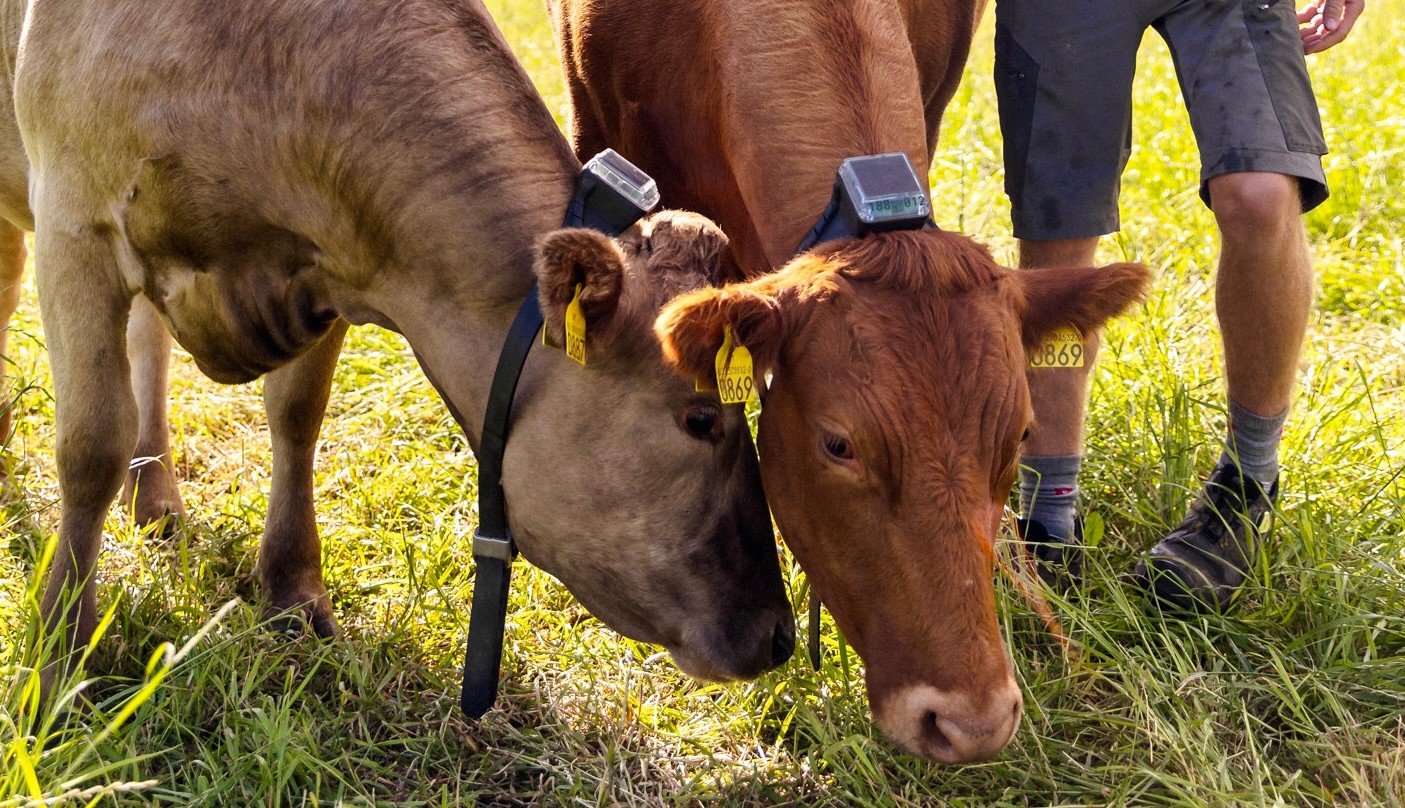
With Monil’s system, farmers can draw and adjust digital boundaries directly from the phone with the app.
This means temporary wet patches or snail-prone areas can be excluded instantly, without investing in posts, wires or labour.
Unlike physical fences, virtual boundaries move with the problem. If a field corner becomes waterlogged it can be closed off at the tap of a screen.
Once conditions improve, the area can be brought back into production without disruption.
Farmers no longer have to choose between over-grazing risky ground or writing off valuable pasture.
Greater flexibility and reduced labour
The result is greater flexibility, reduced labour, and most importantly, healthier livestock.
By combining smart grazing management with judicious use of flukicides, farmers can reduce reliance on drugs while protecting both productivity and animal welfare.
As Rob summed up: strategies that avoid infected areas, alongside careful treatment, are essential for safeguarding farm profitability. Virtual fencing makes this practical and sustainable in ways that traditional methods cannot.
Read more:
"How Virtual Fences Could Help Save Birds"
Stuart Fletcher is Revolutionizing Grazing in East Sussex with Monil
Are you interested in how Monil can help control parasite pressure on your pastures?
Register here for a no-obligation offer. If you are interested in our research programme, please write a comment below.